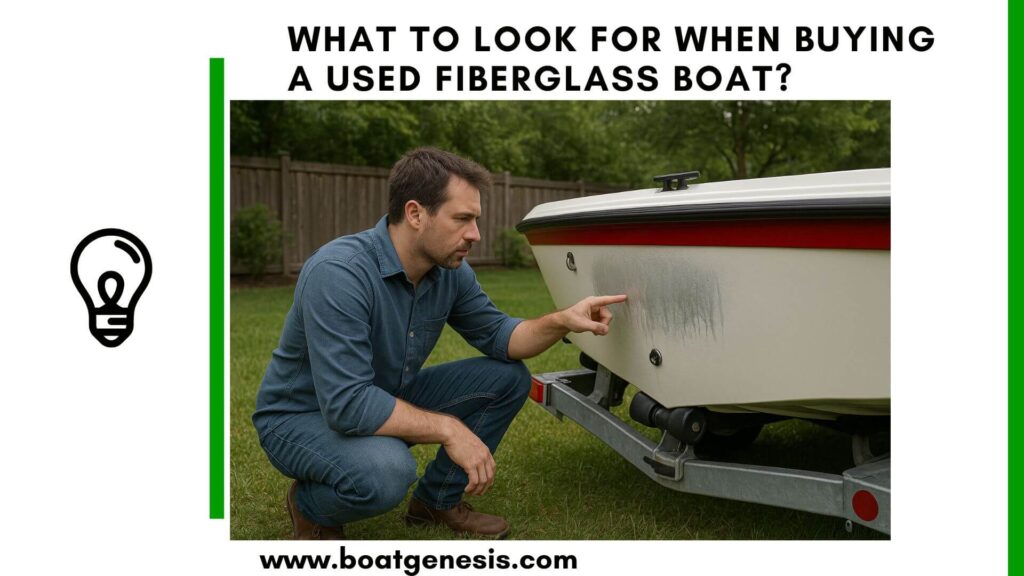
Buying a used fiberglass boat can save you thousands of dollars compared to purchasing new, but only if you know what to check before signing the paperwork. Many buyers get excited about a good price and overlook warning signs that lead to expensive repairs down the road. A careful inspection takes time, but it protects your investment and keeps you safe on the water.
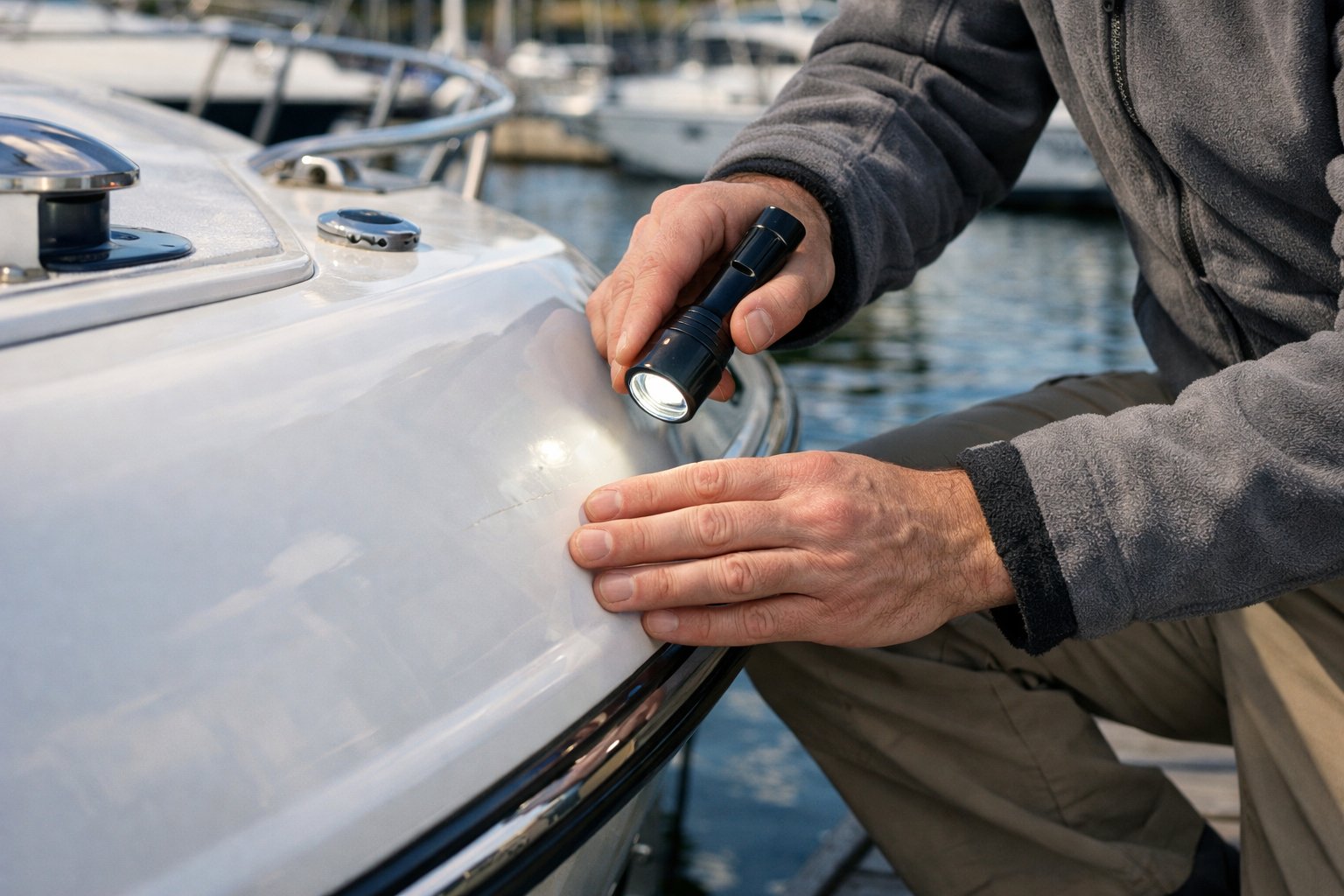
When buying a used boat, you need to examine the hull for cracks and blisters, test the engine and electrical systems, review maintenance records, and verify all legal documents before making an offer. The hull is your boat’s foundation, and even small damage can turn into major problems. The engine and electrical components determine whether your boat will run reliably or leave you stranded.
This guide walks you through each critical area to inspect when shopping for a pre-owned fiberglass vessel. You’ll learn how to spot signs of neglect or damage, what questions to ask the seller, and when to hire a professional surveyor. With the right approach, you can find a quality used fiberglass boat that provides years of enjoyable time on the water.
Key Takeaways
- Inspect the hull thoroughly for cracks, blisters, and repairs that could affect the boat’s structural integrity
- Test the engine performance and check all electrical systems to avoid costly mechanical failures
- Review maintenance records and verify ownership documents before completing the purchase
- Key Takeaways
- Determine Your Boating Needs and Budget
- Understanding the Used Boat Market
- Assessing Total Ownership Costs
- Inspecting the Hull for Damage or Repairs
- Checking the Transom and Deck Condition
- Verifying the Hull Identification Number (HIN)
- Assessing the Engine and Performing a Compression Test
- Reviewing Electrical and Battery Health
- Analyzing Controls, Steering, and Hardware
- Arranging a Marine Survey
- Conducting a Sea Trial
- Considering a Marine Mechanic Evaluation
- Verifying Boat Title and Registration
- Reviewing Bill of Sale and Ownership History
- Understanding Insurance, License, and Documentation Requirements
- Examining the Boat Trailer Condition
- Checking Onboard Accessories and Equipment
- What are the key areas to inspect on a fiberglass boat before buying?
- How can you assess the condition of an outboard motor on a used boat?
- What should be included in a thorough used boat inspection checklist?
- How do you evaluate the structural integrity of a used fiberglass boat?
- What are common signs of wear or damage to look for on a used boat's inboard motor?
- How can you determine if a fiberglass boat has been properly maintained by its previous owner?
Initial Assessment and Planning
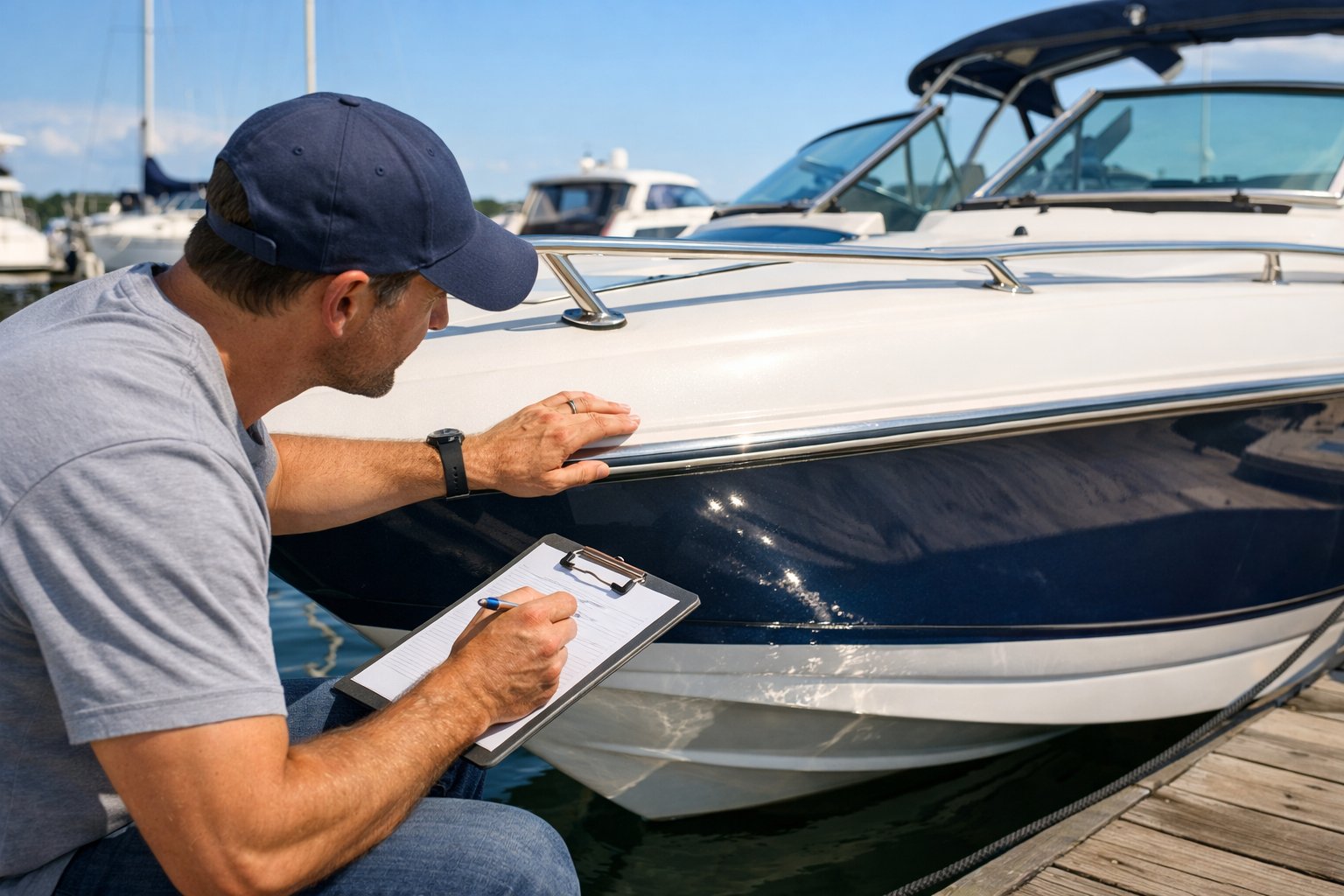
Before you start looking at used boats for sale, you need to define what type of boat fits your lifestyle and set a realistic budget that covers more than just the purchase price. Understanding current market conditions and the full cost of ownership will help you make a smart decision.
Determine Your Boating Needs and Budget
Start by identifying how you plan to use your boat. Will you fish in freshwater lakes, cruise coastal waters, or water ski with your family? Each activity requires different features and hull designs.
Consider where you’ll store the boat and how often you’ll use it. A boat that sits unused most of the year might not justify a large investment. Think about how many people you need to accommodate and what amenities matter most to you.
Set a firm budget before buying a boat. Include a buffer of 10-15% above your maximum price for unexpected repairs or upgrades. Fiberglass boats in the 20-25 foot range typically cost between $15,000 and $50,000 used, depending on age and condition.
Determine if you’ll pay cash or need financing. Loan interest adds to your total cost, especially for older boats that may have higher rates.
Understanding the Used Boat Market
The used boat market has become highly competitive in recent years. Prices have increased due to high demand and limited inventory. You’ll face more competition from other buyers, so being prepared helps you act quickly on good deals.
Research comparable boats in your area to understand fair pricing. Check multiple listing sites and visit marinas to see what’s available. Prices vary significantly by region, with boats in coastal areas often commanding higher prices.
Certain times of year offer better deals. Fall and winter typically see lower prices as fewer people shop for boats during cold months. Spring and early summer bring higher demand and prices.
Popular boat brands hold their value better than lesser-known manufacturers. Look for established fiberglass boat builders with good reputations for quality construction.
Assessing Total Ownership Costs
The purchase price represents only part of what you’ll spend on a used boat. Factor in ongoing expenses before you commit to buying a used boat.
Annual costs to consider:
- Marina fees or storage ($500-$3,000 per year)
- Insurance ($300-$1,500 annually)
- Fuel and oil ($500-$2,000 depending on use)
- Maintenance and repairs ($1,000-$3,000 per year)
- Registration and taxes (varies by state)
- Winterization and spring commissioning ($200-$600)
Older fiberglass boats may need more frequent repairs. Budget extra money for replacing worn parts like upholstery, canvas, or electronics. A marine survey before purchase costs $300-$500 but can save you thousands by identifying hidden problems.
Set aside 10-15% of the boat’s value each year for maintenance and unexpected repairs.
Examining Structural Integrity
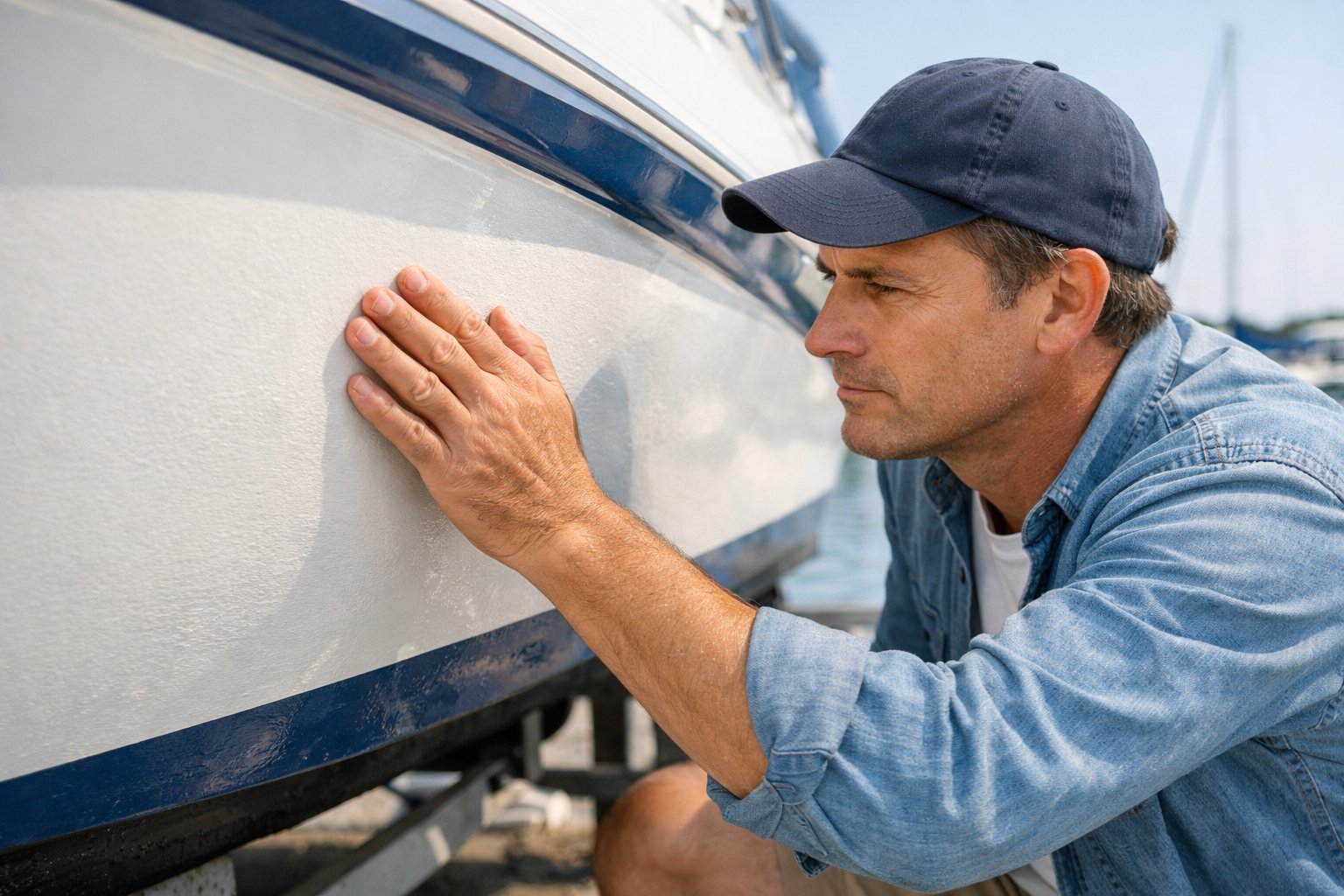
The structure of a fiberglass boat determines whether it’s a safe purchase or a costly mistake. You need to check the hull for damage, test the transom and deck for soft spots, and verify the boat’s identification number matches its paperwork.
Inspecting the Hull for Damage or Repairs
Start your hull inspection with a visual examination of the entire surface. Look for cracks, chips, or discoloration in the gelcoat that could signal deeper problems.
Pay attention to any repairs or patches on the hull. Previous repairs aren’t always bad, but you need to see if they were done properly with quality materials.
Perform a tap test by gently tapping the hull with a coin or small plastic hammer. A solid, consistent sound means the fiberglass is healthy. A dull or hollow sound indicates delamination or soft spots where the layers have separated.
Want to avoid costly fiberglass boat repair mistakes?
Learn how to inspect damage properly, decide when to DIY, and prevent expensive fiberglass problems before they start.
Check areas around through-hulls and fittings carefully. These spots are common entry points for water that can weaken the fiberglass over time. If you find concerning issues during your inspection, hiring a professional marine surveyor can provide a detailed assessment before you commit to buying.
Checking the Transom and Deck Condition
The transom supports the weight of your outboard motor and takes constant stress from the water. Press firmly on the transom to feel for any soft spots or flexing that shouldn’t be there.
Walk across the entire deck and feel for areas that flex or feel spongy under your weight. These soft spots mean water has penetrated the core material and damaged the internal structure.
Look behind liners and under floorboards with a flashlight. Hidden areas can reveal water intrusion that’s not visible from the surface. Check the stringers, which are the internal support beams, for cracks or separation from the hull.
A moisture meter can detect water trapped inside the fiberglass that you can’t see or feel. High moisture readings around the transom or deck are red flags that require investigation.
Verifying the Hull Identification Number (HIN)
The hull identification number is stamped on the starboard side of the transom, usually on the upper right corner. This 12-character code identifies your specific boat and includes the manufacturer, hull serial number, and production date.
Write down the hull identification number and check that it matches the title and registration documents exactly. Any mismatch is a serious warning sign that could indicate title problems or even a stolen vessel.
Compare the HIN format to make sure it follows the proper structure. Boats built after 1984 use a standardized format that includes two letters for the manufacturer, five digits for the hull serial number, and five characters for the date and model year. A pre-purchase survey will verify the HIN as part of the overall inspection process.
Evaluating Mechanical and Electrical Systems
The engine demands careful attention as the most expensive component on board, while electrical problems can create fire hazards. Battery condition, wiring quality, and control systems all reveal how well previous owners maintained the vessel.
Assessing the Engine and Performing a Compression Test
Start by examining how the engine looks on the outside. A clean engine doesn’t guarantee perfect operation, but visible leaks, excessive rust, or missing parts signal neglect.
Pull the dipstick to check the oil level and condition. Oil that appears milky or frothy means water or antifreeze has contaminated it, pointing to problems like a blown gasket or cracked block. Rub oil between your fingers to feel for grit or a burnt smell, which indicates bearing wear or overdue oil changes.
A compression test provides hard data about engine health. Each cylinder should show readings within 10% of the others. Low compression in one cylinder suggests valve or piston ring problems, while low readings across all cylinders indicate serious wear.
Watch the engine start and run. Hard starting could mean weak batteries, faulty plugs, or fuel pump issues. The engine should idle smoothly below 800 rpm without stalling when you shift into gear.
Check transmission fluid for dark color, sluggish consistency, or burnt odors. These signs point to expensive rebuilds ahead. Note the exhaust smoke color: blue means burning oil, black indicates incomplete combustion, and white shows water vapor.
Ask for service records and receipts for any major work. Hour meters can be easily replaced, so documentation matters more than displayed hours.
Reviewing Electrical and Battery Health
Batteries must sit in liquid-tight containers and stay secured with no more than one inch of movement. Look for equipment wired directly to battery posts without fuses, which creates fire risk.
Check battery terminals for corrosion and verify batteries hold a charge. More than four wires connected to a single post indicates crowded conditions that need fixing.
AC wiring should use multi-strand marine grade wire, not solid residential wire that breaks from vibration. GFCI protection is required for outlets in the galley, head, machinery spaces, and weather decks.
Inspect wire runs throughout the boat. Good systems show neat organization with proper labels and support. Red flags include electrical tape joints, household twist-on connectors, unsupported wires, and dead ends from old equipment.
Analyzing Controls, Steering, and Hardware
Test the steering system by turning the wheel through its full range. Play or stiffness indicates worn cables, corroded components, or hydraulic problems.
Operate the throttle and shift controls multiple times. They should move smoothly without binding or excessive play. Sticky controls often need cable replacement or adjustment.
Check trim tabs for proper operation if equipped. They should respond quickly and move evenly on both sides.
Examine all hardware including cleats, winches, and stanchions for secure mounting. Loose hardware can indicate water intrusion into cored decking, which creates expensive repair bills.
Professional Inspections and On-Water Testing
A marine surveyor provides an expert evaluation of the boat’s condition, while a sea trial reveals how the vessel performs on the water. These steps help you avoid expensive problems and make an informed buying decision.
Arranging a Marine Survey
A marine survey is a detailed inspection performed by a certified professional who examines the entire boat. You should hire a marine surveyor before finalizing any purchase of a used fiberglass boat. The surveyor will check the hull for osmosis, stress cracks, and structural damage that you might miss during your own inspection.
The pre-purchase survey typically costs between $20 and $30 per foot of boat length. This investment can save you thousands of dollars by identifying hidden problems. The surveyor will provide a written report that details the boat’s condition and estimates repair costs.
You can use the survey results to negotiate a lower price or ask the seller to fix specific issues. If the survey reveals major structural problems or expensive repairs, you have the option to walk away from the deal. Make sure your surveyor is accredited by organizations like the Society of Accredited Marine Surveyors or the National Association of Marine Surveyors.
Conducting a Sea Trial
A sea trial lets you test the boat while it’s running on the water. You should never buy a used boat without taking it out for a test run. During the sea trial, listen carefully to the engine for unusual noises, knocking sounds, or excessive vibration.
This guide helps boat owners understand fiberglass damage clearly — what matters, what doesn’t, and when repairs are truly necessary, so small issues don’t turn into expensive mistakes.
See What Every Boat Owner Should Know →Check how the boat handles at different speeds. The vessel should accelerate smoothly without hesitation or sputtering. Test the steering at various speeds to ensure it responds properly and doesn’t pull to one side.
Run all electrical systems including lights, pumps, and electronics while the engine is running. Watch the instrument gauges for proper oil pressure, temperature, and battery charging. Look at the bilge periodically during the trial to check for water intrusion or leaks. The boat should plane easily and maintain a steady course without constant steering corrections.
Considering a Marine Mechanic Evaluation
A marine mechanic provides specialized knowledge about the engine and mechanical systems. While a surveyor examines the boat’s structure, a mechanic focuses on the power system and related components. This evaluation is especially important for boats with inboard engines or complex systems.
The mechanic will perform compression tests on the engine cylinders and inspect the cooling system for proper operation. They can identify worn parts that need replacement soon and estimate the remaining life of major components. Ask the mechanic to check the outdrive or lower unit for damage and proper gear oil condition.
You should budget for this separate evaluation if you’re buying an expensive boat or one with high engine hours. The mechanic’s report complements the marine survey and gives you a complete picture of the boat’s mechanical health.
Paperwork, Legalities, and Ownership Transfer
Before you complete your purchase, you need to verify the seller legally owns the boat and can transfer that ownership to you. Proper documentation protects you from fraud, hidden liens, and future ownership disputes.
Verifying Boat Title and Registration
A boat title proves legal ownership just like a car title does. You should ask to see the current title and confirm the seller’s name matches exactly. Check that the hull identification number on the title matches the number stamped on the boat’s transom.
Not all states require boat titles, but most do for vessels over a certain length or with motors above a specific horsepower. If your state requires registration, verify the boat has current registration documents. The registration shows the boat is legally allowed to operate in your state’s waters.
Look for any liens listed on the title. A lien means someone else has a financial claim on the boat, usually a bank or loan company. The seller must clear all liens before transferring ownership legally. Don’t accept promises to clear liens after you pay. Get written proof that liens are satisfied before you hand over money.
Reviewing Bill of Sale and Ownership History
The bill of sale is your receipt and proof of purchase. This document should include the boat’s make, model, year, hull identification number, length, and purchase price. Both you and the seller must sign it with the date of sale clearly written.
The bill of sale details all key information and states whether finance is outstanding on the vessel. Request copies of previous bills of sale if available to verify the ownership chain. Gaps in ownership history or frequent transfers might indicate problems with the boat.
Ask for maintenance records that show regular upkeep and repairs. These records help you understand what work has been done and what might need attention soon. The hull identification number should match across all documents including the title, registration, and bill of sale.
Understanding Insurance, License, and Documentation Requirements
You’ll need boat insurance before you can register the vessel in most cases. Marine insurance isn’t legally required everywhere, but marinas and lenders typically mandate it. Contact insurance providers before finalizing your purchase to understand coverage costs and requirements.
A boating license or safety certificate may be required depending on your state and the boat’s size. Check your state’s boating authority website for specific licensing requirements. Some states require all operators to complete a boating safety course.
If you plan to take the boat into international waters, you need to register it with the U.S. Coast Guard. Boats under 24 meters can use the Small Ships Register, while larger vessels require full documentation. Registration with the Maritime and Coastguard Agency proves nationality and ownership for international travel.
Inspecting Included Accessories and Trailer
A used boat often comes with a trailer and various accessories that add value to your purchase. These items need careful inspection since they directly affect how you transport and use your boat.
Examining the Boat Trailer Condition
The boat trailer requires thorough inspection before you complete your purchase. Start by checking the tires for cracks, dry rot, or uneven wear patterns that indicate alignment problems. Each tire should match in size and have adequate tread depth.
Examine the wheel bearings carefully since they carry the entire weight of your trailer and boat. Make sure the bearings are properly lubricated and seated to avoid costly replacements later. Look at the frame for cracks, rust, or signs of previous repairs that suggest overloading or accident damage.
Test all lights including brake lights, turn signals, and running lights to ensure they work properly. Check the wiring for corrosion or exposed sections that could fail during transport. Inspect the winch and safety chains for rust or damage. The rollers or bunks that support the hull should align correctly with your boat’s shape and show no excessive wear.
Checking Onboard Accessories and Equipment
Review all equipment that comes with the used boat to determine what works and what needs replacement. Test electronics like the GPS, fish finder, and radio to confirm they power on and function correctly. Check that anchors, life jackets, and safety equipment meet current Coast Guard requirements.
Look at rod holders, coolers, and seating for damage or excessive wear. Open all storage compartments and hatches to check latches and hinges. Examine covers, bimini tops, and canvas for tears, mold, or fading that requires repair or replacement. Make a list of missing or broken accessories so you can factor replacement costs into your budget.
Frequently Asked Questions
Buyers often have specific questions about inspecting fiberglass boats, evaluating motors, and checking maintenance records. Understanding what to examine and how to spot potential problems helps you make a better purchasing decision.
What are the key areas to inspect on a fiberglass boat before buying?
You need to examine the hull carefully for cracks, blisters, or discoloration that signal future repair costs. These signs of damage on fiberglass can affect the boat’s integrity and performance.
Check the deck for soft spots by walking around and pressing down with your feet. Soft areas indicate water damage or rotted core material underneath the fiberglass.
Inspect the transom where the motor mounts to the boat. This area takes a lot of stress and can develop cracks or deterioration over time.
Look at all through-hull fittings and the area around them for signs of leaks or corrosion. These fittings allow water to enter and exit the boat for various systems.
How can you assess the condition of an outboard motor on a used boat?
Start by checking the maintenance records if the seller has them available. Consistent care indicates the motor has been properly serviced.
Look at the lower unit for dents, scrapes, or damage that suggests the motor hit underwater objects. Check the propeller for bent blades or missing pieces.
Inspect belts and hoses for cracks or wear. Examine fluid levels including oil and coolant to make sure they’re at proper levels and look clean.
Ask to see the motor run both on a hose and in the water if possible. Listen for unusual noises like knocking or grinding that indicate internal problems.
What should be included in a thorough used boat inspection checklist?
Your checklist should cover the condition of the boat and its maintenance history as primary categories. Start with the overall appearance during a walk-around inspection.
Include the hull, deck, and transom in your structural checks. Add the motor and all its components like belts, hoses, and fluid systems.
Check all electrical components including navigation lights, gauges, and electronics. Test switches and controls to verify they work correctly.
Examine the interior for mold, mildew, or water stains that show leaks. Look at seating, flooring, and storage areas for damage or excessive wear.
How do you evaluate the structural integrity of a used fiberglass boat?
Walk around the entire boat looking for visible cracks or spider web patterns in the gelcoat. These patterns often indicate stress or impact damage beneath the surface.
Press on the hull in multiple locations feeling for any flexing or movement that seems excessive. A solid hull should feel firm without soft or spongy areas.
Check for signs of previous repairs like patches, mismatched gelcoat colors, or uneven surfaces. Poor repair work can compromise the boat’s strength.
Look underneath the boat at the keel and bottom for gouges, scratches, or areas where the fiberglass has worn thin. Deep damage may require expensive repairs.
What are common signs of wear or damage to look for on a used boat’s inboard motor?
Check the engine compartment for oil leaks around gaskets, seals, and the oil pan. Fresh oil spots or heavy buildup indicate ongoing leak issues.
Look at the exhaust system for rust, holes, or loose connections. Exhaust problems can let dangerous fumes into the boat and reduce motor performance.
Inspect the cooling system hoses for cracks, bulges, or soft spots that show they need replacement. Check the heat exchanger for corrosion or mineral buildup.
Examine the engine mounts for cracks or deterioration in the rubber. Worn mounts cause excessive vibration and can damage other components.
How can you determine if a fiberglass boat has been properly maintained by its previous owner?
Ask the owner for maintenance records showing regular service intervals and repairs. Complete records demonstrate the owner took care of the boat systematically.
Look at the overall cleanliness and organization of the boat. Well-maintained boats typically show attention to detail in their appearance and storage.
Check if the boat has been stored properly between seasons. Indoor storage or quality covers protect boats from weather damage and UV exposure.
Ask specific questions about the boat’s use and repair history including how often it was used and in what type of water. Regular use with proper maintenance is better than a boat that sat unused for long periods.

Warren is the founder of BoatGenesis and brings practical experience in fiberglass boat repair, marine equipment testing, and powerboat building. He has worked on a range of repair and restoration projects and now focuses on creating clear, research-based guides to help boat owners avoid costly mistakes and make smarter maintenance decisions. Learn more about Warren.