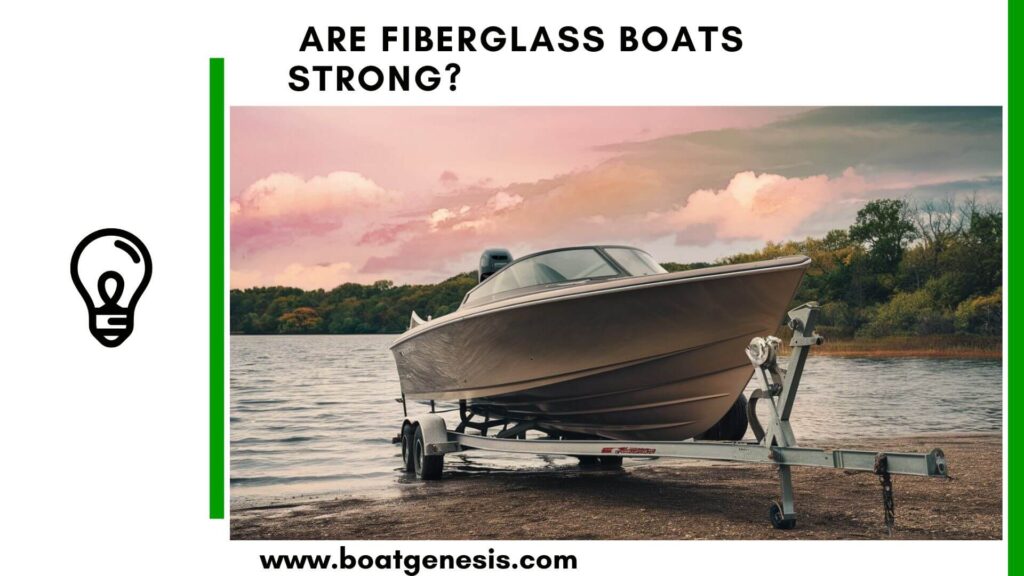
Yes, fiberglass boats are indeed strong and durable. In fact, they are one of the most popular choices among boat enthusiasts due to their excellent strength-to-weight ratio and resistance to corrosion.
In this guide, we’ll dive deep into the world of fiberglass boats, exploring their strength, benefits, and what sets them apart from other boat materials.
The Strength of Fiberglass
Fiberglass, also known as glass-reinforced plastic (GRP), is a composite material made from glass fibers embedded in a resin matrix. This combination results in a material that is both lightweight and incredibly strong.
The glass fibers themselves have high tensile strength, meaning they can withstand significant pulling forces without breaking.
Want to avoid costly fiberglass boat repair mistakes?
Learn how to inspect damage properly, decide when to DIY, and prevent expensive fiberglass problems before they start.
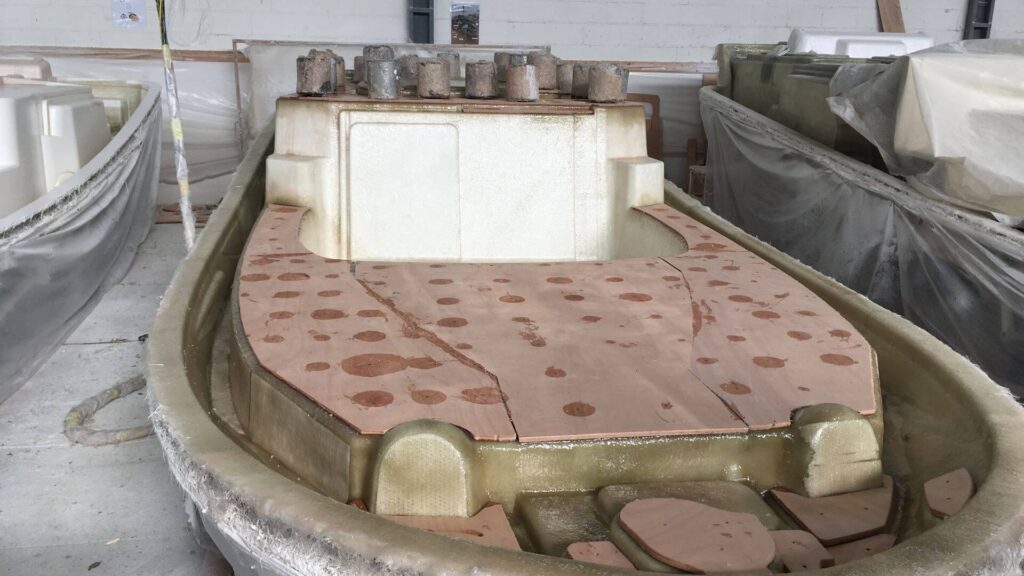
They also have a high elastic modulus, which means they resist deformation under stress. Fiberglass is stronger than you might think.
When it comes to boats, fiberglass hulls typically weigh more than aluminum, making them more stable in the water. This extra weight helps fiberglass boats handle choppy conditions and maintain a smooth ride. The added stability is a significant advantage for many boaters.
The Benefits of Fiberglass Boats
Aside from their impressive strength, fiberglass boats offer several other benefits:
- Durability: Fiberglass is highly resistant to corrosion, making it an ideal choice for boats that spend a lot of time in the water. Unlike metal boats, fiberglass doesn’t easily rust or corrode, ensuring your boat looks great and performs well for years to come.
- Low Maintenance: Fiberglass boats require minimal maintenance compared to other boat materials. They are easy to clean and maintain, and minor repairs can often be done by the owner.
- Customization: Fiberglass is a versatile material that can be molded into virtually any shape or design. This allows for greater customization options, so you can create the boat of your dreams.
- Smooth Ride: The weight and stability of fiberglass boats contribute to a smoother ride, even in rough waters. This makes them a popular choice for recreational boaters and fishing enthusiasts.
==>> Read more about the benefits and drawbacks in this article here!
What Sets Fiberglass Apart?
While fiberglass boats have many advantages, it’s essential to consider what sets them apart from other boat materials.
This guide helps boat owners understand fiberglass damage clearly — what matters, what doesn’t, and when repairs are truly necessary, so small issues don’t turn into expensive mistakes.
See What Every Boat Owner Should Know →One often overlooked aspect is the environmental impact of fiberglass production and disposal.
Fiberglass is a synthetic material that is not biodegradable, and the manufacturing process can be energy-intensive.
However, many boat manufacturers are now exploring more eco-friendly options, such as using recycled materials or incorporating bio-based resins.
Another factor to consider is the cost of fiberglass boats. While they may have a higher upfront cost compared to aluminum boats, their durability and low maintenance requirements can make them a more cost-effective choice in the long run.
Conclusion
In conclusion, fiberglass boats are indeed strong and offer numerous benefits for boat owners.
Their excellent strength-to-weight ratio, durability, low maintenance, and customization options make them a popular choice among boaters.
While there are some environmental concerns associated with fiberglass production, many manufacturers are working towards more sustainable solutions.
Ultimately, whether you choose a fiberglass boat or another material will depend on your specific needs and preferences, but there’s no denying the strength and reliability of fiberglass as a boat-building material.

Warren is the founder of BoatGenesis and brings practical experience in fiberglass boat repair, marine equipment testing, and powerboat building. He has worked on a range of repair and restoration projects and now focuses on creating clear, research-based guides to help boat owners avoid costly mistakes and make smarter maintenance decisions. Learn more about Warren.